Most organisations don't have a shortage of safety data.
They have incident reports.
Corrective actions.
Audits.
Permits.
Training records.
Contractor information.
Safety observations.
The problem isn't collecting data.
The problem is that much of it still sits in paper files, spreadsheets, emails, SharePoint and disconnected systems.
And when information isn't connected, it rarely changes decisions.
More data doesn't automatically create more insight
This isn't a criticism of EHS software.
Nor is it a criticism of EHS professionals.
Most safety teams work incredibly hard to collect information, often across multiple systems that were never designed to work together.
Collecting data is only the first step.
The real value comes from connecting it, understanding it and using it to improve how the organisation operates.
Context changes everything
An observation tells you something happened.
A corrective action tells you somebody responded.
A permit tells you work was authorised.
Training records tell you somebody completed a course.
Each has value on its own.
But when they're connected, they provide context.
Imagine investigating an incident and immediately seeing:
- Previous observations in the same area
- Outstanding corrective actions
- Contractor involvement
- Permit history
- Induction records
- Similar events across other sites
The conversation immediately changes from:
"What happened?"
to
"Why does this keep happening, and what should we do differently?"
That's where insight begins.
Better dashboards create value. Better decisions create even more.
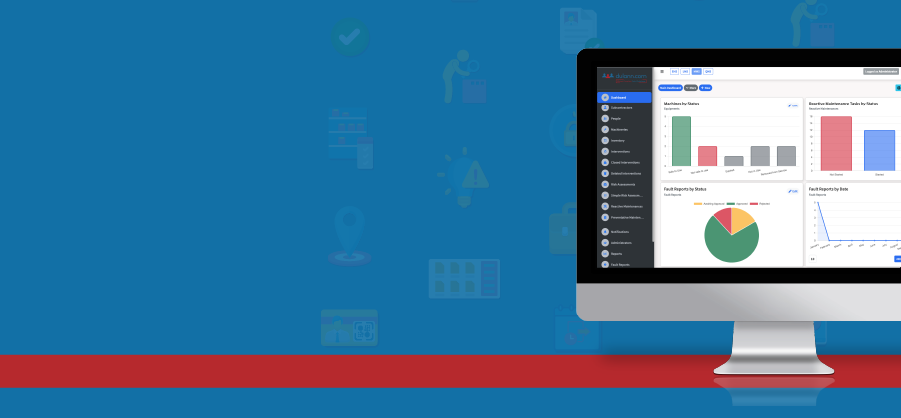
Modern EHSQ platforms can produce powerful dashboards, reports and KPIs.
They improve visibility.
Support compliance.
Highlight trends.
Provide assurance to leadership.
But their greatest value comes from what happens after the dashboard is viewed.
When information is connected and routine administration is automated, EHS professionals spend less time:
- Consolidating spreadsheets
- Producing reports
- Chasing paperwork
- Manually updating KPIs
And more time:
- Identifying emerging risks
- Investigating recurring issues
- Supporting operational teams
- Driving continuous improvement
The greatest return on investment isn't collecting more data. It's giving experienced people more time to act on it.
That's where the real value of digital transformation is realised.

Connected systems create connected decisions
At dulann, we've always believed the value of an EHSQ platform isn't measured by how many modules it contains.
It's measured by how well those modules work together.
An observation shouldn't exist in isolation.
Neither should a corrective action.
Or a permit.
Or contractor management.
Or training.
When information is connected, dashboards become more meaningful, reports become more valuable and leaders gain the context needed to make better operational decisions.
That's why we've always believed:
If it wasn't built as one platform, it probably isn't one platform.
Because disconnected information leads to disconnected decisions.
The bottom line
Most organisations don't need more data.
They already have plenty of it.
What they need is connected information, meaningful automation and the time to turn insight into action.
Technology should automate the administration.
It should connect the information.
And it should allow EHS professionals to spend more time applying their experience, judgement and leadership where it creates the greatest value.
Because data doesn't improve safety.
Better decisions do.
Question for safety leaders:
How much time does your EHS team spend producing reports... and how much time do they spend using those reports to improve safety?
At dulann, we believe the best EHSQ platforms don't just collect information. They connect it, automate it and give organisations the insight and time needed to make better decisions every single day.