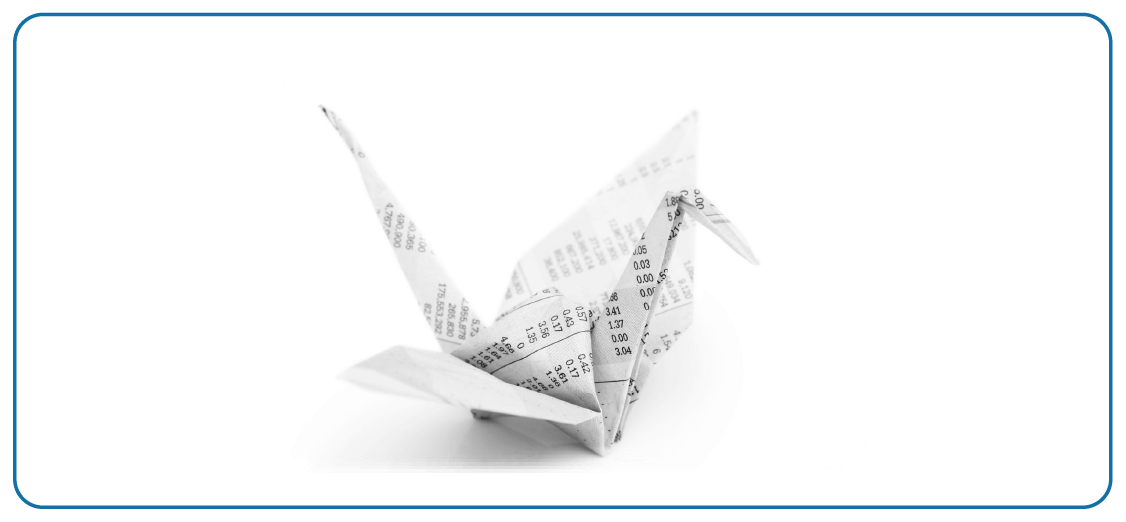
When organisations talk about digital transformation, the conversation almost always starts with paper.
"We need to digitise our permits."
"We need electronic forms."
"We need paperless audits."
"We need digital checklists."
Paper becomes the problem.
But it isn't.
Replacing paper with a PDF isn't digital transformation.
Replacing a PDF with a web form isn't digital transformation.
Even replacing five paper forms with five digital forms isn't necessarily digital transformation.
It's digitisation.
And there's an important difference.
Digitising documents doesn't transform organisations
Many organisations proudly describe themselves as digital because they've replaced paper with electronic documents.
But ask a few simple questions:
How easy was it to enter information?
Can leadership see it in real time?
Does one process automatically trigger notifications and actions?
Or are people still copying information between multiple systems?
Where is the information stored?
If the answer is yes, then the organisation hasn't transformed the process.
It's simply changed the format.
Transformation changes how information flows
This is where digital transformation really begins.
Imagine an observation identifies a recurring issue.
A corrective action is automatically raised.
The responsible person is notified.
Progress is tracked.
Evidence is uploaded.
Effectiveness is verified before closure.
Management dashboards update automatically.
The trend appears alongside similar issues across multiple sites.
Nobody updates a spreadsheet.
Nobody emails a report.
Nobody re-enters the same information.
That's not digitisation.
That's transformation.
Connected systems create connected decisions
One of the biggest barriers to digital transformation isn't paper.
It's disconnected systems.
Training in one platform.
Permits in another.
Contractors managed somewhere else.
Corrective actions tracked in Excel.
Audits on SharePoint.
Incidents sitting in email folders.
Every department has information.
Very few have the complete picture.
And when information isn't connected, decisions become slower, reporting becomes harder and administration quietly grows.

Great EHSQ systems don't eliminate administration
Good governance requires administration.
Evidence matters.
Approvals matter.
Records matter.
The goal isn't to remove them.
Great EHSQ systems don't eliminate administration. They eliminate duplication, repetition and unnecessary manual tasks.
That's a very different objective.
Because every hour spent updating spreadsheets or copying information between systems is time that could have been spent coaching supervisors, investigating trends or reducing operational risk.
Technology should create capacity.
Not more administration.
Technology should support people, not replace them
The most successful digital transformation projects don't start with technology.
They start with people.
The best systems are easy to adopt.
Simple to use.
Designed around real operational workflows.
Configured to reflect how the organisation manages risk.
Because if people don't use the system consistently, the technology can never deliver its full value.
Digital transformation is as much about behaviour as it is about software.
How dulann approaches digital transformation
At dulann, we've never believed digital transformation is about replacing paper.
It's about connecting the entire safety management process.
Observations.
Incidents.
Corrective actions.
Permits.
Contractor management.
Training.
Audits.
Learning.
One connected platform.
One source of truth.
One consistent approach to managing risk.
Because the value isn't in having digital forms.
It's in ensuring information flows automatically across the organisation, giving leaders better visibility while reducing unnecessary administration.
That's why we've always believed:
If it wasn't built as one platform, it probably isn't one platform.
The bottom line
Paper isn't the problem.
Disconnected information is.
Digital transformation isn't measured by how many forms become electronic.
It's measured by how effectively information moves through the organisation.
The organisations seeing the greatest return from EHS technology aren't simply replacing paper.
They're redesigning how safety information is captured, connected and used to make better decisions.
Because that's what digital transformation was always supposed to achieve.
Question for safety leaders:
Has your organisation digitised paperwork... or has it genuinely transformed the way safety information flows across the business?
At dulann, we believe digital transformation isn't about removing paper. It's about connecting people, processes and information so organisations can spend less time managing administration and more time improving safety.